Sep 30, 2026Buying Guides
How to Choose a Home Cable Trainer for a Small Space
For people living in apartments, small houses, or limited workout spaces, choosing the right strength-training equipment is often more important than simply buying more equipment.
How to Choose a Home Cable Trainer for a Small Space
Creating a home gym does not always mean having a large room filled with heavy fitness equipment. For people living in apartments, small houses, or limited workout spaces, choosing the right strength-training equipment is often more important than simply buying more equipment.
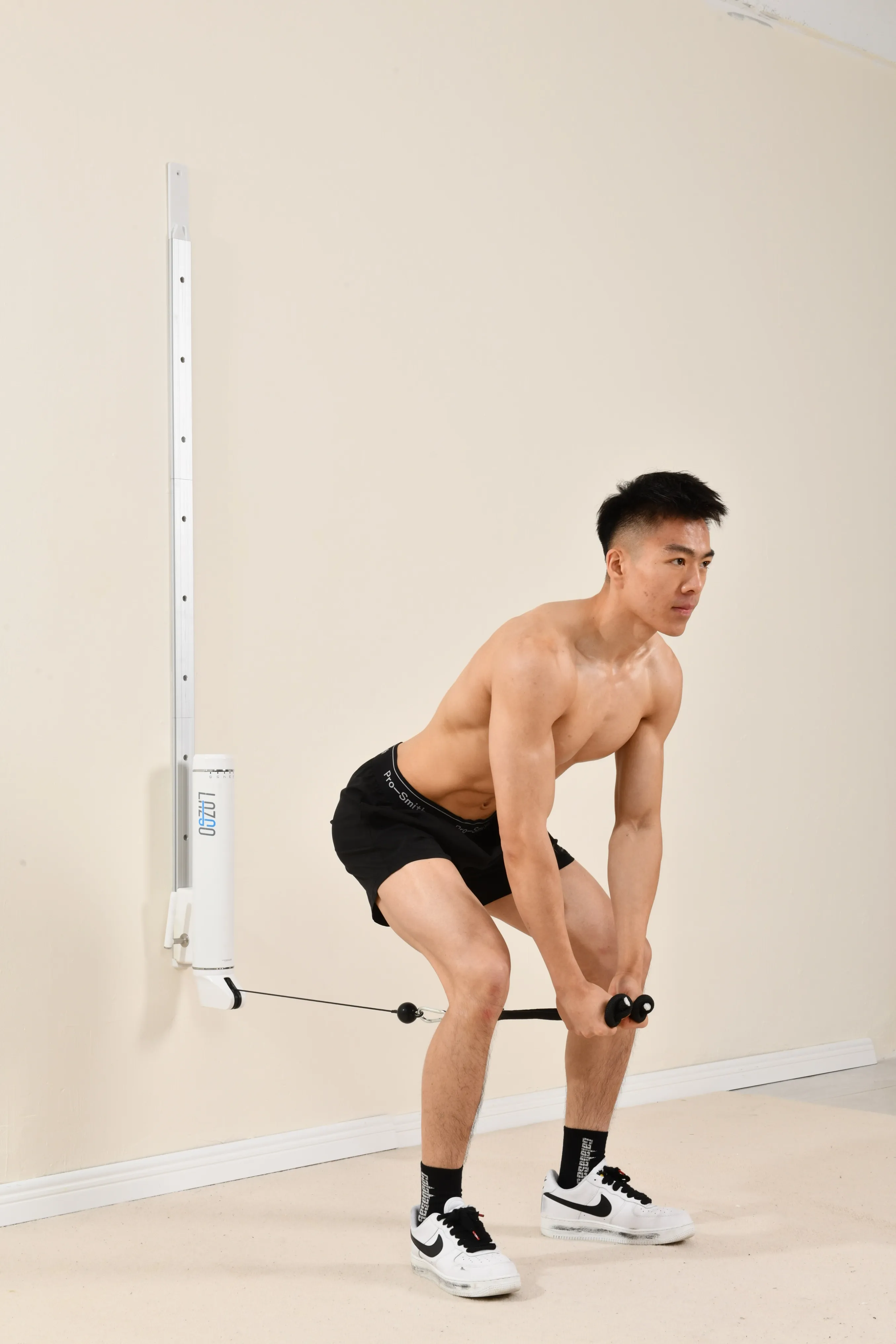
A home cable trainer can be a practical option for strength training because it allows users to perform different exercises with one compact system.
But how do you choose the right cable trainer for a small home gym?
This guide explains the key factors to consider before purchasing a compact home cable training system.
Why Choose a Cable Trainer for a Small Home Gym?
Traditional strength machines can require considerable floor space. A compact cable training system can provide a different solution by combining multiple exercise possibilities into one piece of equipment.
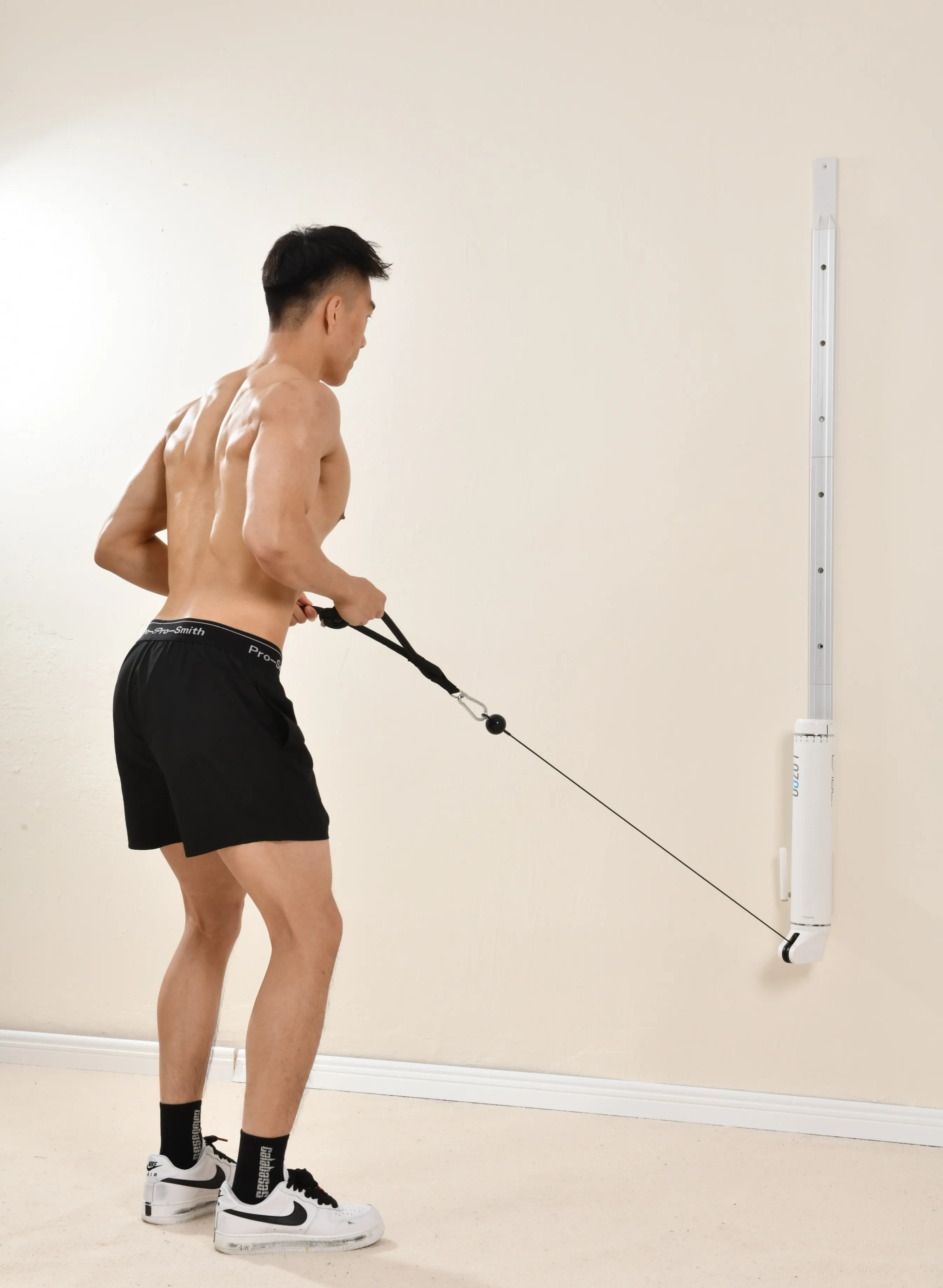
Depending on the design, a cable trainer can be used for exercises such as:
- Cable rows
- Lat pulldowns
- Triceps exercises
- Biceps curls
- Chest exercises
- Shoulder exercises
- Leg exercises
- Core training
This versatility makes cable-based equipment attractive to people who want to train multiple muscle groups without filling their home with separate machines.
1. Consider the Available Space
The first thing to measure is not only the floor area but also the wall and ceiling environment.
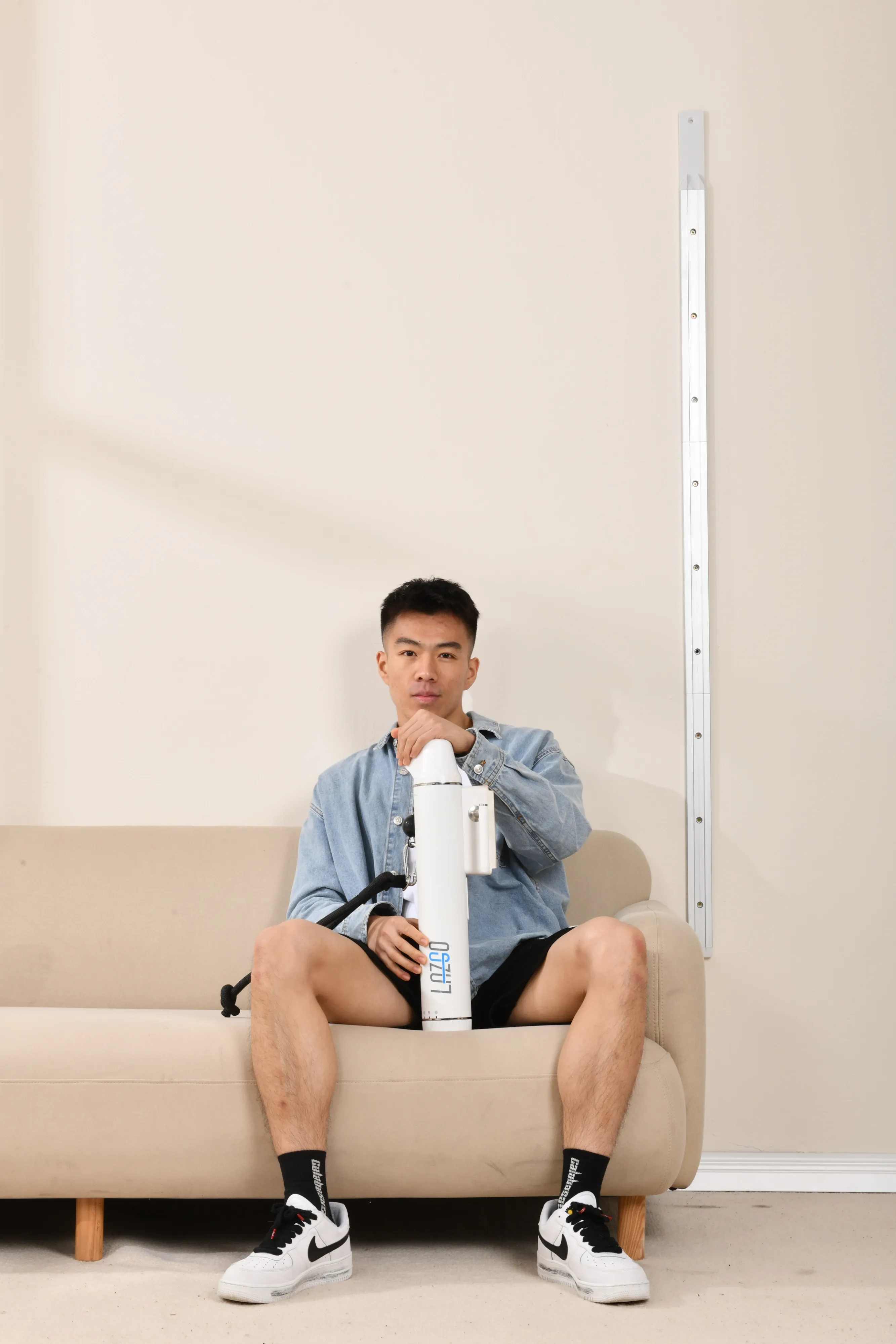
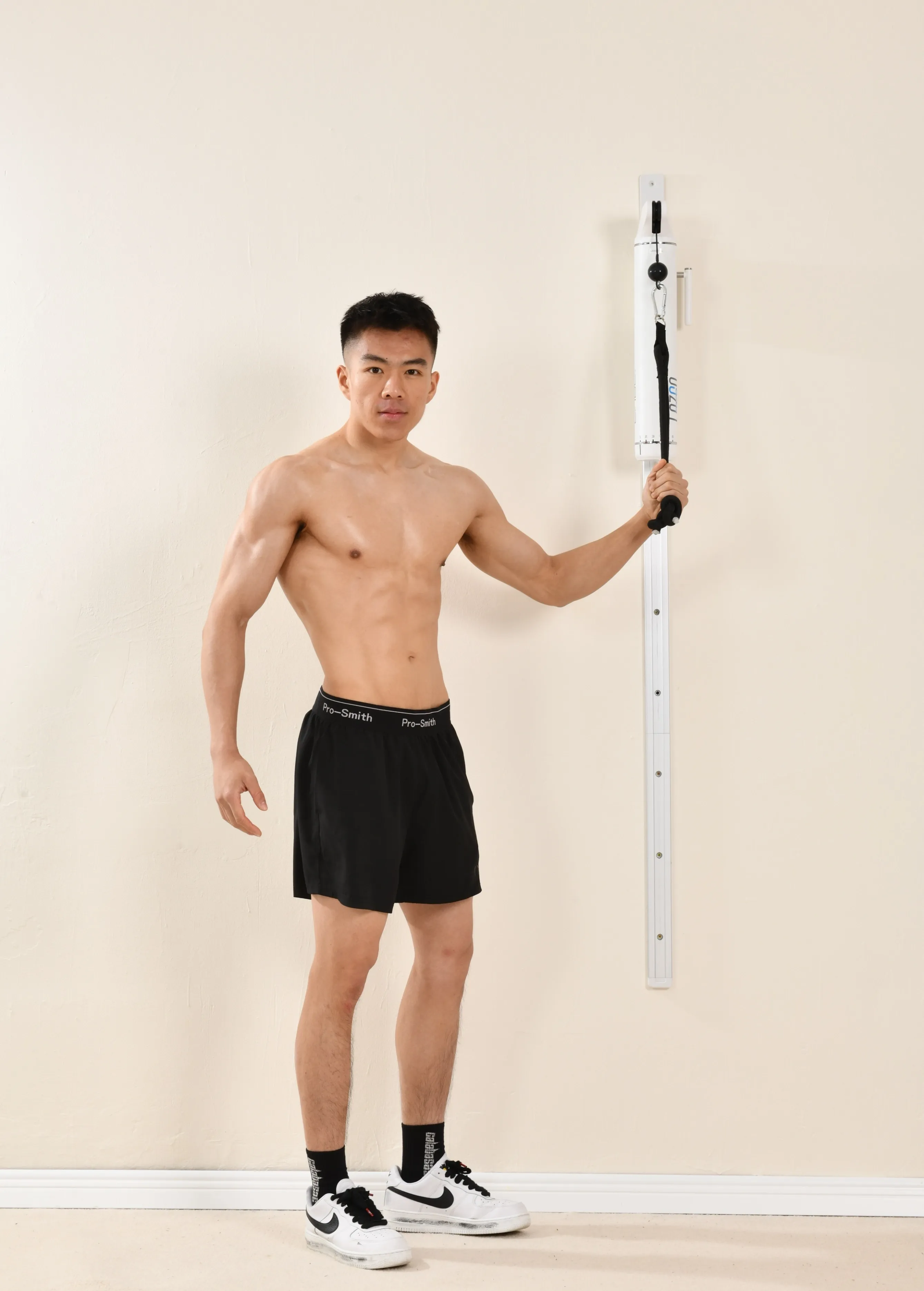
For a small home gym, a wall-mounted cable trainer can help reduce the amount of floor space occupied by fitness equipment.
Before installation, users should check:
- Available wall width
- Installation height
- Training clearance
- Wall construction
- Cable movement area
- User access around the equipment
A wall-mounted system can be particularly useful when floor space is limited, but installation requirements should always be considered before purchase.
2. Check the Resistance Range
Resistance is one of the most important factors when selecting a home cable trainer.
Different users may have different training goals. Beginners may prefer lighter resistance, while experienced users may require greater resistance for strength exercises.
A system with multiple resistance settings allows users to adjust the workout according to their ability and exercise.
For example, LAZGO offers six adjustable resistance levels, allowing users to select different resistance settings during training.
The ideal resistance system should provide enough flexibility for everyday home workouts without making the equipment unnecessarily complicated.
3. Look at Height Adjustment Options
A cable system becomes more versatile when the cable position can be adjusted.
Different exercises require different cable heights. A lower position can be useful for certain arm and leg exercises, while a higher position may be suitable for movements such as pulldowns.
When comparing home cable trainers, check how many height positions are available and how easily the position can be changed.
LAZGO features nine height adjustment positions, giving users more options for different exercises.
4. Consider the Accessories
The main machine is only part of the training experience.
Accessories can significantly affect the number of exercises users can perform.
Common cable-training accessories include:
- Single handles
- Rope attachments
- Ankle straps
- Dual handles
- Other specialized attachments
For a compact home gym, having several interchangeable accessories can be more practical than purchasing separate machines for different exercises.
LAZGO is supplied with multiple interchangeable accessories, including a single handle, dual rope and ankle strap.
5. Think About Installation
One important difference between a freestanding gym machine and a wall-mounted cable trainer is installation.
A wall-mounted system generally requires secure installation on a suitable load-bearing wall.
Before purchasing, users should confirm that their wall structure is appropriate for installation.
Professional installation may also be recommended depending on the building and wall construction.
This is an important consideration for apartment owners, homeowners and anyone planning to install fitness equipment in a limited space.
6. Consider Noise and the Home Environment
Home fitness equipment is used in a different environment from commercial gyms.
When exercising at home, users may be training early in the morning, late at night, or while other family members are nearby.
For this reason, the operating experience matters.
A compact cable trainer with a smooth and relatively quiet training mechanism can be more suitable for a home environment than equipment designed primarily for busy commercial gyms.
When comparing products, users should consider the cable movement, mechanical structure and overall training experience.
7. Choose Equipment That Fits Your Training Goals
Not every home gym needs the same equipment.
A beginner may want a simple system for general strength training, while an experienced user may prioritize exercise variety and resistance adjustment.
Before buying a cable trainer, consider:
For beginners:
Look for simple adjustment and easy-to-understand resistance settings.
For general home fitness:
Prioritize versatility and the ability to train multiple muscle groups.
For strength-focused users:
Pay closer attention to resistance range, cable movement and attachment options.
For small apartments:
Space efficiency and installation requirements may be the most important factors.
8. Wall-Mounted vs. Freestanding Cable Machines
Both designs have their own characteristics.
Feature | Wall-Mounted Cable Trainer | Freestanding Cable Machine |
|---|---|---|
Floor space | Generally lower | Usually higher |
Installation | Requires wall installation | Usually no wall mounting |
Portability | More limited after installation | Easier to relocate |
Space efficiency | Suitable for compact spaces | Requires more floor area |
Exercise variety | Depends on design | Depends on design |
Home gym use | Suitable for space-conscious users | Suitable for larger rooms |
The right choice depends on the user's available space, installation conditions and training preferences.
9. Why Compact Strength Equipment Is Becoming More Relevant
Home fitness continues to evolve beyond simply putting a treadmill or exercise bike in a spare room.
Many consumers are looking for equipment that can provide more training possibilities while occupying less space.
This creates opportunities for compact strength-training products that combine:
- Space efficiency
- Adjustable resistance
- Exercise versatility
- Modern design
- Easy organization
- Multiple training functions
For fitness retailers and brands, these characteristics can also make compact strength equipment an interesting category to explore.
LAZGO: A Compact Approach to Home Strength Training
LAZGO is designed around the idea that strength training equipment does not always need to occupy a large amount of floor space.
Its wall-mounted structure helps create a compact training setup, while six resistance levels and nine height positions provide flexibility for different exercises.
The system also supports multiple interchangeable accessories, allowing users to perform different types of resistance exercises from one compact unit.
For homes where available space is limited, this approach can provide an alternative to larger traditional strength-training machines.
Final Thoughts
Choosing a home cable trainer is not simply about finding the machine with the highest resistance or the most accessories.
The better approach is to consider the complete training environment.
Think about:
- How much space you have
- Whether your wall is suitable for installation
- The resistance range you need
- How many adjustment positions are available
- Which accessories are included
- What types of exercises you want to perform
- Whether the equipment fits your home environment
For people looking to create a compact home gym, a well-designed wall-mounted cable trainer can be an efficient way to add strength training without filling the room with bulky equipment.
Looking for a Compact Home Cable Trainer?
LAZGO is designed for modern home strength training and space-conscious fitness environments.
If you are a fitness equipment distributor, retailer, Amazon seller, importer or fitness brand looking for a new product category, contact us to learn more about LAZGO, OEM options, sample availability and wholesale cooperation.
Shanghai GYM Technology Co., LTD
WhatsApp: +86 15857925393
Email: Chloe@lazgogym.com
Website: www.lazgogym.com